5_01 CBL Article Text and Companion Image

How to Clean Dog Ears

Body Copy

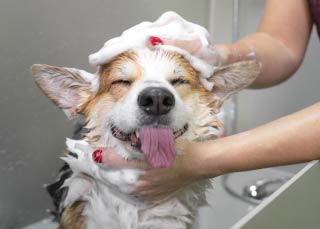
If your dog has healthy ears there is not usually much that you need to do to keep them clean. If you do need to clean their ears, you can use a cotton pad wrapped around your finger to gently wipe the visible parts of your dog’s ear to remove any ear wax or debris. Products designed to clean dogs’ ears are also available from your veterinary clinic, who will also be able to advise you on the best technique. Be sure to reward your dog with a treat after each ear clean so that they begin to associate these cleaning routines with positive experiences and rewards. This will make cleaning much easier in the future. Homemade dog ear cleaners or ear washes are not recommended as they can irritate or cause harm to your dog’s ears. 
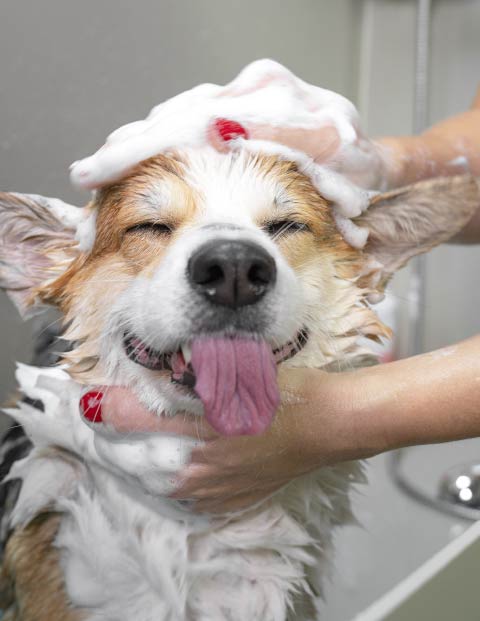
Dog being washing Dog being washing

5_02 CBL Article Text & Image Grid

What does a tick look like on a cat?

If you’re not sure if it’s a tick, it’s best to consult your vet.

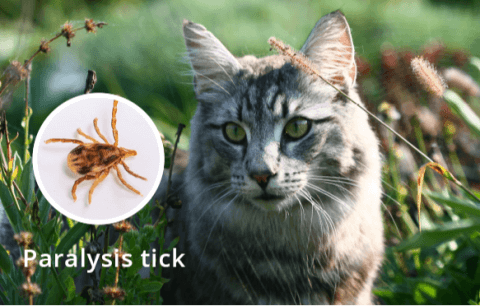
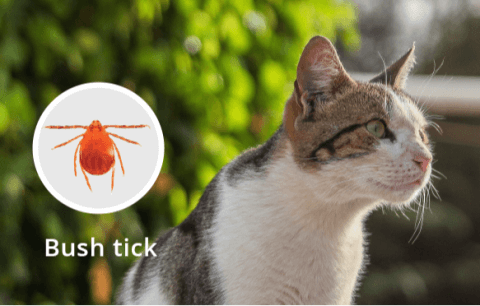
Ticks on cats tend to be about the size of an apple seed before they start feeding. After they attach to the skin and start feeding on their host’s blood, they become ‘engorged’ and increase in size. When this happens, they can be as big as your little fingernail. Ticks can vary greatly in appearance depending on the species of tick, how engorged they are, and which part of their life cycle they are in, so if you’re not sure if it’s a tick, it’s best to consult your vet.

Image
tick cat 1
Image
tick cat 2
Image
tick cat 3

How do cats get ticks?


Cats will typically get ticks when they are exploring outdoors. Ticks crawl up low grass or shrubs and lie in wait for a host (such as a cat or dog) to brush past. The tick will use its front legs to grab on and then it crawls over or through the coat to find a suitable place to attach and feed.

5_03 CBL Text with Supporting Bullet Text

Benefits and advice for pet parents

  • FRONTLINE PLUS® is a clinically proven veterinary medicine that’s available in 1-dose, 3-dose and 6-dose packs

  • It can be applied to dogs from 8 weeks of age that weigh at least 2 kg

  • FRONTLINE PLUS® is a topical treatment which is applied to your dog’s skin to kill fleas and ticks through contact – meaning they don’t have to bite your dog to be killed

  • If your dog is unwell, please see your vet for advice before you apply a flea treatment

  • Bathing/shampooing/water exposure once a week does not affect the product’s effectiveness. Do not bathe your dog or let them swim for 2 days after application

  • FRONTLINE PLUS® for Dogs is not suitable for use on rabbits

  • Legal classification: AVM-GSL

  • Active ingredients: fipronil, s-methoprene

5_04 CBL Sectional Headline and text
What is Cat Flu? (CB 5_04 Sectional Headline and Text)

“Cat flu” (or kitten flu) is a general term used to describe upper respiratory tract infections in cats. It is highly contagious and the signs can be particularly serious in kittens. It is typically transmitted by direct or close contact between kittens or cats, e.g., in sneezed droplets. 

What Causes Cat Flu in Kittens?

Despite the name, cat flu is not actually caused by a feline influenza virus (or feline flu virus). There are several infectious organisms that can be involved, but it is mainly caused by two viruses, feline herpesvirus (also known as feline rhinotracheitis virus) and feline calicivirus. 

Kitten Flu Symptoms

Cat flu signs and symptoms in kittens can be particularly serious due to their immature immune systems. In some cases it may look like a kitten “cold” (e.g., a kitten with a snotty nose) but in other cases the signs can be much more serious. The signs can vary depending on which infectious organism is involved.

Symptoms of cat flu may include:
•    Sneezing and/or coughing
•    Discharge from the eyes
•    Discharge from the nose
•    Mouth ulcers causing drooling
•    Low energy levels
•    Decreased appetite
•    Fever 
•    Difficulty breathing
•    Joint pain, stiffness, and limping


If a kitten or cat is infected with feline herpesvirus, the virus can persist in their bodies and they may experience ongoing signs or recurrent flare ups of cat flu. 

5_05 CB Author Bio & Lightbox content block

Image
Vet holding a dog

5_05 DR Marc Abraham | OBE, BVM&S MRCVS

Marc is a… itae rutrum quam gravida in. Morbi aliquam dui eros, sed placerat nibh placerat eget.

Read Marc's bio

×
Light Box Headline

Lorem ipsum dolor sit amet, consectetur adipiscing elit. Aenean euismod, ante nec viverra molestie, libero neque pretium eros, nec tincidunt lorem odio id quam. Nulla fermentum eu sem eu sodales. Nullam a mi quis urna efficitur tristique. Donec vitae ipsum quam. Aenean tincidunt mattis sollicitudin. Fusce metus libero, fringilla eu sagittis a, finibus ac ligula.

Image
Vet holding a dog

5_07 Articles Grid - Preview Selected Articles content block

View more

5_09 Article Title, Intro & tags content block

Eyebrow

Article Introduction. This content block will be the first contnt block used for each Article. The title will be added by the LFC itself created in "content"