



2_03 What Causes Lyme Disease in Dogs?
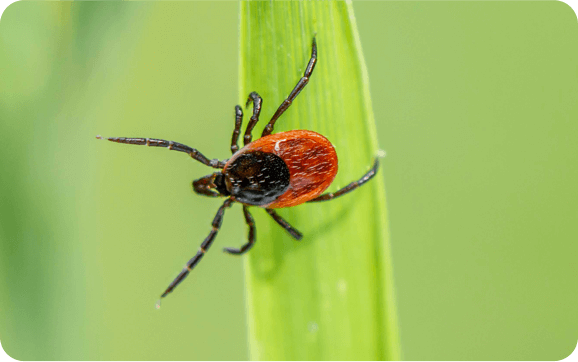
Ticks are more than an itchy nuisance. Black-legged ticks can carry Borrelia burgdorferi, the bacterium that causes Lyme disease. While feeding, a tick’s saliva can enter your dog’s bloodstream, transmitting the harmful bacteria. The bacteria travels to different parts of a dog’s body. The symptoms of Lyme disease include fever, lameness, joint swelling, lethargy, and, in rare cases, serious kidney damage.
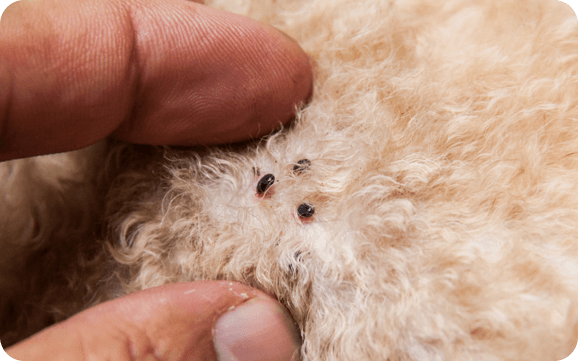
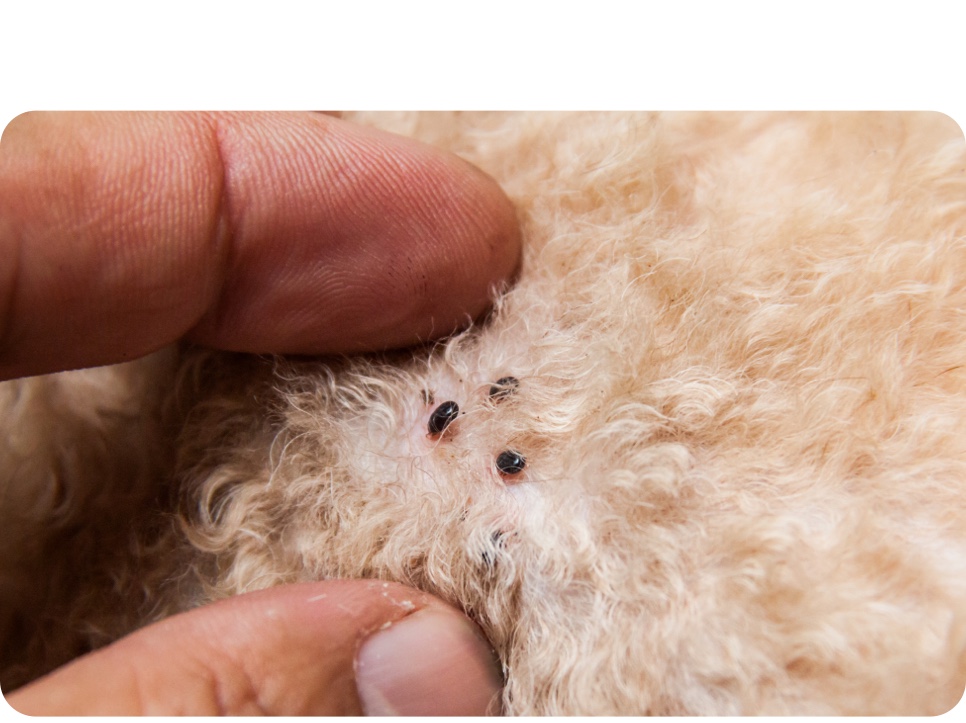
Can Ticks Live in Your House?
Ticks don’t just stick to the woods. Urban wildlife like white-tailed deer, raccoons, and rodents carry ticks into residential areas like yards and gardens. This means that although most ticks don't live inside your home, they can certainly live in your yard. In the US, there is only one tick species that will infest homes and kennels—the brown dog tick. Home infestations with the brown dog ticks can be quite shocking (finding hundreds of ticks crawling up the walls). Consult with a professional pest control specialist if you have a brown dog tick infestation in your home or kennel.


Dogs Are Vulnerable to Ticks That Carry Lyme Disease
Black-legged ticks are common in many parts of the United States, and they can choose your dog as a host at any point throughout the year. This makes Lyme disease in dogs a growing concern for pet owners. NexGard chews are FDA-approved to prevent Lyme infections. They kill black-legged ticks quickly, before the infection can be transmitted.








2_06 Vet Offer Test
If your vet has an online store, our Find a Vet tool will find it and automatically apply any online rebates or savings they offer in-cart.


2_07 How to Protect Your Dog from Ticks: 6 Tips
There are plenty of precautions you can take as a pet owner to keep your dog protected from ticks.
Various tick species have different environmental conditions they prefer, but they generally prefer humid climates. The cool, shady cover of densely wooded areas makes a perfect habitat for many species, but ticks are also commonly found in many other places, including your yard or local park. They prefer areas that protect them from drying out (under leaf litter, in tall brush or grass, and around trees or shrubs). When possible, keeping your dog away from tick-infested areas can help reduce tick exposure.1
Ticks don’t just love the woods.1 Keep your dog protected from ticks in their own yard by mowing, raking leaves, and removing brush piles on a regular basis—which also helps reduce tick encounters by reducing habitat that is suitable for wildlife hosts such as mice.
Ticks can be found in all 50 states, and they don’t go away just because it’s cold outside. However, they are more active in some seasons than others.1 Your veterinarian can tell you more about when peak tick season is in your area.
Year-round tick protection is necessary, and it can help prevent Lyme disease in your dog. Be consistent with dosing, even during times of the year when ticks aren’t as active in your area.
Make sure all pets in your home are treated with tick protection on a regular basis. Treating just one pet is not enough to protect the other animals in your home.
Protect your dog by performing a thorough tick check every day and removing any ticks that are found.


Check Your Dog For Ticks
To look for ticks on your dog, run your fingers through their fur to feel for small bumps on the skin. Pay special attention to inside the ears, under the tail, under the legs, near the groin, and between the toes.2
2_11 CBL Sample
2_11 Safe and delicious
1st Body copy. NexGard chews are a bite-sized dose that’s safe1 for dogs and puppies &as young as 8 weeks, weighing just 4 pounds, through adulthood.
Small Headline Size
2nd Body copy. NexGard chews are a bite-sized dose that’s safe1 for dogs and puppies &as young as 8 weeks, weighing just 4 pounds, through adulthood.